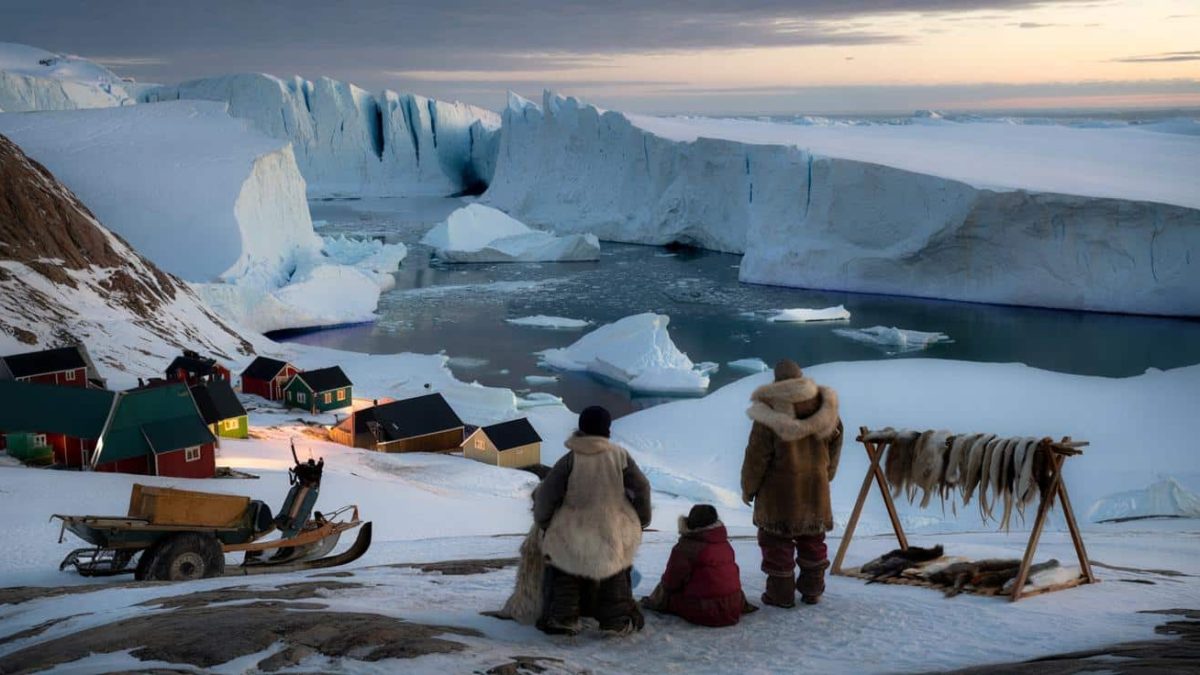
Killer Whales Invade Collapsing Ice Shelves: A massive shift in the Arctic ecosystem is currently unfolding as the ocean’s most formidable predator moves into territory once locked away by thick ice. Scientists are observing a historic migration of orcas into the warming waters of Greenland, marking a dramatic turning point for the local wildlife.
The traditional frozen frontiers of the North are vanishing, allowing these highly intelligent hunters to access areas that were previously unreachable. This invasion is not just a change in geography; it represents a fundamental restructuring of the marine food chain in one of the most fragile environments on Earth.

As the ice shelves continue to thin and break apart, the presence of Killer Whales is sending shockwaves through the region. This development has left researchers and local communities wondering what the future holds for the Arctic’s original inhabitants, such as seals and narwhals.
The Great Arctic Shift: Why Orcas are Moving North
For centuries, the Arctic was protected by a fortress of ice that kept large predators out. Killer Whales, also known as Orcas, typically avoided these regions because their large dorsal fins can easily get trapped or damaged by heavy sea ice. However, the rapid warming of the planet has changed the rules of the game.
As temperatures rise, the seasonal ice is melting earlier and forming much later. This creates wide-open “highways” of water that allow pods of orcas to travel deeper into the Greenland coast than ever recorded. They are following the retreating ice line, searching for new feeding grounds where prey is often unprepared for such a fast and efficient predator.

The collapse of massive ice shelves is the primary catalyst for this migration. When these ice structures disintegrate, they leave behind vast stretches of open ocean. For the Killer Whale, this is an invitation to explore and dominate a new territory that was once the exclusive domain of polar bears and ice-dwelling seals.
A New King of the Arctic Food Chain
In the past, the Polar Bear was considered the undisputed king of the Arctic. However, the arrival of the orca is challenging that title within the marine environment. These whales are known for their sophisticated hunting techniques and their ability to work together as a highly coordinated team.
The impact on local species like Narwhals and Beluga whales is devastating. These animals have lived in the Arctic for thousands of years and have evolved to hide within the ice for protection. Without the thick ice to shield them, they are vulnerable to the speed and power of the invading orca pods.
“The speed at which these predators have adapted to the changing ice conditions is remarkable. We are seeing a complete shift in predator-prey dynamics where the absence of ice has removed the only natural defense many Arctic species had against large hunters.”

The Economic and Ecological Ripple Effects
The presence of Killer Whales in Greenland isn’t just a biological curiosity; it has real-world consequences for the people who live there. Many local communities rely on sustainable hunting of seals and fish for their survival. With orcas moving in, the competition for these resources has become much more intense.
Furthermore, the arrival of a new top predator can cause what scientists call a “trophic cascade.” This means that the changes at the top of the food chain will eventually affect everything below it, including the health of fish stocks and the behavior of smaller marine organisms.
Ice Loss Statistics and Predator Migration
The following data provides a snapshot of how the changing environment in the Arctic relates to the increased presence of large marine predators in northern latitudes.
| Observation Year | Ice Shelf Coverage (%) | Orca Sightings Index | Primary Prey Impact |
|---|---|---|---|
| 2000 | 85% | Low | Minimal |
| 2010 | 72% | Moderate | Increased Seal Stress |
| 2020 | 58% | High | Narwhal Displacement |
| 2024 | 49% | Very High | Complete Food Chain Shift |
The Mystery of Orca Adaptation
One of the most shocking aspects of this discovery is how quickly the Killer Whales have learned the layout of the Greenland coastline. These whales are highly social and pass down knowledge through generations. It appears that as soon as a few “scout” whales found the open passages, the rest of the pods followed.
Researchers have noted that these whales are using the crumbling ice blocks as tools. They have been seen creating waves to knock seals off small ice floes, a behavior previously seen primarily in Antarctica. This shows that the orcas are not just passing through; they are settling into their new home and refining their tactics.
The sheer intelligence of these animals makes them a formidable force. Unlike other species that might struggle with a changing environment, the orca thrives on change. They are generalist hunters, meaning they can switch from eating fish to eating large mammals in a very short amount of time.
“What we are witnessing is the birth of a new era for northern biology. The ice was the gatekeeper, and now that the gate is gone, the most successful marine predator on the planet is taking full advantage of the situation.”
Threats to Endangered Species
The Bowhead Whale and the Narwhal are particularly at risk. These species are slow-moving and have spent their entire existence in a world where ice provided a safe haven. Now, they are being forced into deeper waters or closer to the shore to avoid the roaming pods of Killer Whales.
In some areas of Greenland, the arrival of orcas has caused entire groups of narwhals to flee their traditional calving grounds. This displacement can lead to lower birth rates and higher stress levels, threatening the long-term survival of these unique “unicorns of the sea.”
The physical collapse of the ice shelves also means that Polar Bears have fewer platforms from which to hunt seals. When you add the competition from orcas into the mix, the Polar Bear faces a double threat: losing its hunting ground and losing its primary food source to a faster aquatic rival.
Looking Toward a Changing Horizon
The invasion of the Arctic by Killer Whales is a visible sign of a planet in transition. While the sight of these majestic animals is awe-inspiring, it serves as a stark reminder of the rapid changes occurring in the world’s coldest regions. Greenland’s landscape is transforming from a white, frozen desert into a blue, open ocean.
As the ice continues to disappear, the presence of orcas will likely become a permanent fixture of the Greenland ecosystem. This shift underscores the need for continued monitoring and a better understanding of how these powerful predators will shape the future of the North.
“The environment is changing faster than the animals can evolve, except for the orca. Their ability to move into new niches so quickly is what makes them both fascinating and a major concern for Arctic biodiversity.”
The Future of Greenland’s Coastal Waters
In the coming years, we can expect to see more frequent interactions between humans and Killer Whales in Greenland. Tourists are already flocking to the area to catch a glimpse of these hunters, but the ecological cost remains high. The balance of nature is being rewritten in real-time.
The story of the orca in the Arctic is a story of survival, opportunism, and the relentless march of climate change. As the ice shelves collapse, the world is watching a new chapter of natural history unfold, one where the hunters of the south become the new masters of the North.
FAQs – Killer Whales Invade Collapsing Ice Shelves
Why are killer whales moving into Greenland’s waters?
Killer whales are moving into these waters because the melting ice shelves have created open passages that were previously blocked. The reduction in sea ice allows them to swim further north without the risk of their dorsal fins getting trapped in the ice.
What do orcas eat in the Arctic?
In the Arctic, orcas have been observed hunting seals, narwhals, and beluga whales. They are highly adaptable hunters and will also consume various types of fish that are found along the Greenland coast.
How does the ice shelf collapse affect other Arctic animals?
The collapse of ice shelves removes the natural protection that species like narwhals and seals used to hide from predators. It also reduces the hunting grounds for polar bears, who rely on the ice to catch their prey.
Are killer whales dangerous to humans in Greenland?
There have been no documented cases of wild killer whales attacking humans in these regions. However, their presence is a concern for local hunters who must now compete with the whales for fish and seal populations.
Will the orcas stay in the Arctic permanently?
As long as the water remains ice-free for longer periods of the year, it is highly likely that orcas will continue to visit and stay in the Arctic. They are follow-the-leader animals, and once a pod discovers a food source, they tend to return annually.
Can narwhals defend themselves against orcas?
Narwhals have very few defenses against orcas other than hiding in thick pack ice. Without the ice, they are often overwhelmed by the size and teamwork of an orca pod, making them highly vulnerable in open water.
Is the orca invasion a sign of climate change?
Yes, the movement of orcas into the high Arctic is considered a clear biological indicator of warming oceans and declining sea ice. It is one of the most visible examples of how climate change is shifting animal habitats.
Do orcas travel alone or in groups?
Orcas are social animals that travel in groups called pods. These pods are usually led by an older female and consist of family members who hunt and move together across the oceans.
Why didn’t orcas live in Greenland before?
In the past, the ice was too thick and unpredictable. Orcas have a tall dorsal fin that makes it dangerous for them to swim under ice sheets, as they need to surface frequently to breathe. The lack of open water previously acted as a natural barrier.
Are there any benefits to orcas being in the Arctic?
While it is disruptive to the current food chain, the presence of orcas can provide new opportunities for the tourism industry in Greenland. However, from an ecological standpoint, it is mostly seen as a threat to existing Arctic species.