Shocking Secrets About Nostalgia That Could Change Your Life Forever: Most people believe that looking back at the past is just a simple way to feel good or a sign that someone is stuck in the old days. For decades, scientists actually thought this feeling was a mental disorder or a form of depression that kept people from moving forward.
New discoveries are proving that those old ideas were completely wrong and that your memories hold a hidden power. Understanding how nostalgia works can actually help you heal from stress, build stronger relationships, and even make you feel physically warmer on a cold day.

The truth about how our brains process the past is far more complex than a simple trip down memory lane. When you learn to use your memories correctly, you can unlock a mental tool that improves your mood and gives your life a deeper sense of meaning.
The Hidden Science of Why We Crave the Past
For a long time, experts viewed nostalgia as a negative trait, almost like a disease of the mind. They believed that people who spent too much time thinking about the “good old days” were unable to cope with the present. Today, we know that this emotional state is actually a vital survival mechanism for the human brain.
When you experience a nostalgic moment, your brain releases a wave of dopamine and other feel-good chemicals. This isn’t just a random reaction; it is your mind’s way of protecting itself against loneliness and sadness. It serves as a mental bridge that connects your past self to who you are today.

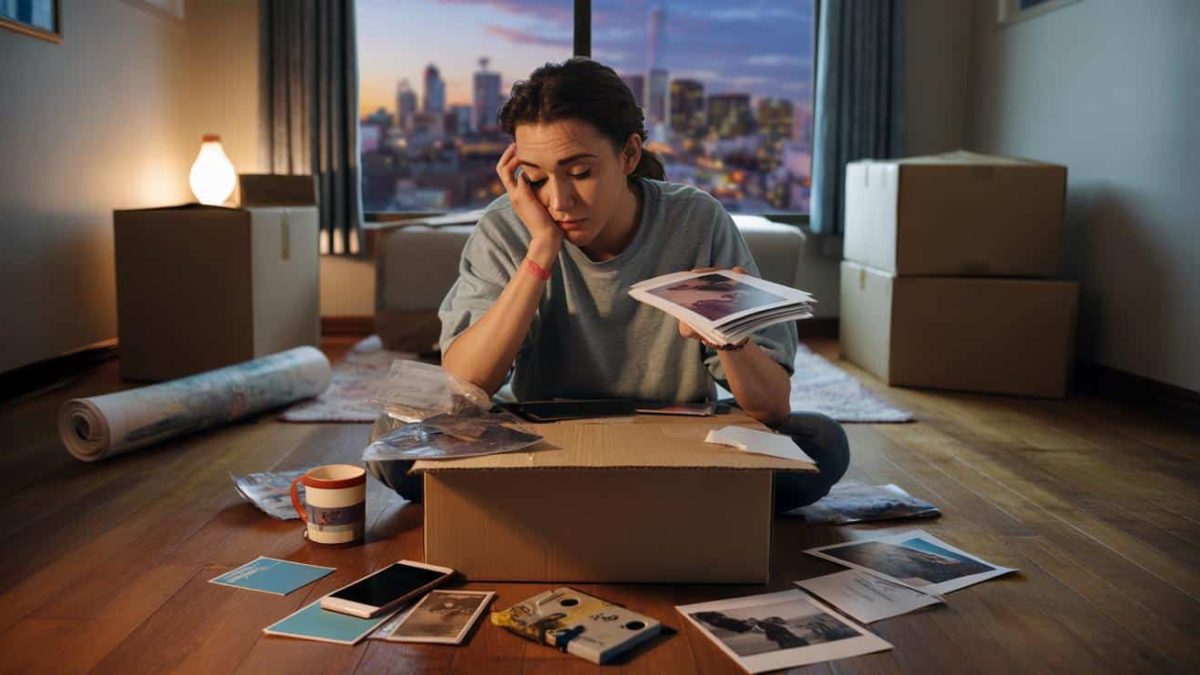
Research shows that humans are most likely to feel nostalgic when they are going through a major life transition. Whether it is starting a new job, moving to a different city, or dealing with a breakup, our brains reach for familiar memories to provide a sense of stability and comfort during times of chaos.
“The human brain uses past experiences not just as a library of facts, but as an emotional anchor. When the present feels too heavy or uncertain, revisiting a happy memory acts as a psychological reset button that allows an individual to regain their confidence.”
Nostalgia is a Powerful Shield Against Stress
In our modern world, high levels of anxiety and stress have become common. One of the most shocking secrets about nostalgia is its ability to act as a natural stress reliever. When you engage with your past, your heart rate actually slows down and your cortisol levels drop.

This process is called social grooming in the mental world. By remembering times when you felt loved or successful, you remind yourself that you have the capacity to be happy again. It turns a scary, unknown future into something that feels manageable because you have a history of overcoming challenges.
Furthermore, this emotional state helps fight off feelings of loneliness. Even if you are physically alone, thinking about a childhood holiday or a fun night with friends can make you feel more connected to the world. It provides a sense of belonging that is essential for mental health.
The Surprising Physical Effects on Your Body
Most people think of nostalgia as purely mental, but it has strange physical effects as well. Studies have shown that people who are feeling nostalgic actually perceive the environment around them as being warmer. This is why we often crave “comfort food” or old movies during the winter months.
There is a biological link between our emotions and our internal temperature. When the brain experiences the warmth of a memory, it can actually make the body feel less sensitive to the cold. This suggests that our ancestors may have used these mental images to help survive harsh conditions.
Below is a table showing how different types of nostalgic triggers impact our daily lives and physical well-being:
| Trigger Type | Emotional Impact | Physical Benefit |
|---|---|---|
| Old Music | High Joy & Comfort | Lower Heart Rate |
| Familiar Scents | Instant Memory Recall | Reduced Cortisol |
| Family Photos | Increased Connection | Sense of Physical Warmth |
| Stories | Personal Meaning | Better Sleep Quality |
How Nostalgia Boosts Your Creativity and Future
A common myth is that nostalgia makes you live in the past, but it actually makes you more focused on the future. When people reflect on their best moments, they often feel a surge of inspiration. This boost in creativity allows them to solve problems in new and exciting ways.
By looking at what worked before, your mind starts to look for similar patterns in your current life. This is why many successful entrepreneurs and artists often look back at their roots for fresh ideas. It provides a foundation of “proven success” that gives you the courage to take risks today.
The sense of self-continuity is another secret benefit. This is the feeling that you are the same person today that you were ten years ago, despite all the changes. Without this feeling, people often feel lost or empty. Nostalgia weaves your life story together into one cohesive piece.
“When we revisit the past, we aren’t just looking at pictures; we are refueling our emotional tanks. This energy is then directed toward future goals, making us more resilient and motivated to create new memories that will last a lifetime.”
Using Your Memories to Heal Relationships
If you are struggling to connect with someone, nostalgia might be the secret key you’ve been missing. Sharing a “remember when” moment with a partner or a friend can instantly lower defenses. It reminds both people of the bond they share rather than the argument they are currently having.
Shared memories act as a social glue. They create a unique language between people that no one else understands. This builds a protective wall around a relationship, making it much harder for small disagreements to cause permanent damage.
Even in the workplace, teams that talk about their past successes together tend to perform better. It builds trust and a sense of shared identity. Instead of working as individuals, they work as a group that has a history of winning, which makes them more likely to win again.
The Danger of Living Too Much in the Past
While nostalgia is mostly a positive force, there is a small secret danger to be aware of. If you use the past to avoid making any progress in the present, it can become a trap. This is often called “restorative nostalgia,” where a person tries to recreate the past exactly as it was.
The healthy way to use this emotion is through “reflective nostalgia.” This means you appreciate the memory and take the good feelings from it, but you accept that the past is over. You use the memory as a flavor for your current life rather than a replacement for it.
Balance is the most important factor. When used correctly, the past is a support system. When used incorrectly, it becomes a cage. The goal is to let your happy memories push you forward into a better version of yourself instead of holding you back.
Transform Your Daily Life with Simple Habits
You can actually train your brain to benefit from nostalgia by creating small daily habits. Keeping a journal of happy moments or having a specific playlist of songs from your favorite era can act as a mental medicine cabinet. Whenever you feel “down,” 15 minutes of intentional reflection can change your entire mood.
Another secret is to use scent. Smelling a specific perfume or a type of food that reminds you of a happy time can trigger the limbic system in your brain almost instantly. This is the fastest way to access the positive benefits of your past experiences without much effort.
In the end, your past is not a weight you have to carry; it is a treasure chest of wisdom and energy. By embracing your nostalgic side, you are not being weak or old-fashioned. You are using one of the most sophisticated emotional tools available to humans to live a happier, warmer, and more meaningful life.
FAQs – Shocking Secrets About Nostalgia That Could Change Your Life Forever
Is nostalgia a mental illness?
No, it is no longer considered a disorder. While doctors in the 1600s thought it was a disease, modern science views it as a healthy emotional tool that helps people manage stress and find meaning in their lives.
Can looking at old photos actually make me feel warmer?
Yes, research shows that there is a physical link between nostalgia and temperature. People who think about happy memories often feel physically warmer and are more comfortable in cold rooms compared to those who don’t.
Is it bad to feel nostalgic every day?
It is generally healthy to feel nostalgic often, as long as it doesn’t stop you from doing your daily tasks. If your memories give you joy and move you forward, frequent nostalgia is actually a sign of high emotional intelligence.
How does music trigger nostalgia so quickly?
Music is tied to the emotional centers of the brain. When you hear a song from your past, it bypasses the logical mind and goes straight to your feelings, reviving the exact emotions you felt when you first heard it.
Can nostalgia help with loneliness?
Absolutely. Nostalgia reminds you of your social connections and past adventures. This makes you feel more “socially supported,” which reduces the sting of being alone and helps you feel more bold in social situations.
What is the difference between good and bad nostalgia?
Good nostalgia makes you feel happy and grateful for the past while you live in the present. Bad nostalgia happens when you feel sad that the past is gone and try to hide from your current life because of it.
Why do I get nostalgic during stressful times?
Your brain uses nostalgia as a defense mechanism. When the present feels scary or overwhelming, your mind looks back at times when you felt safe and successful to give you the strength to keep going.
Can nostalgia make you more creative?
Yes, reflecting on your past can open up new ways of thinking. It allows you to combine old experiences with new challenges, which is a key part of the creative process and problem-solving.