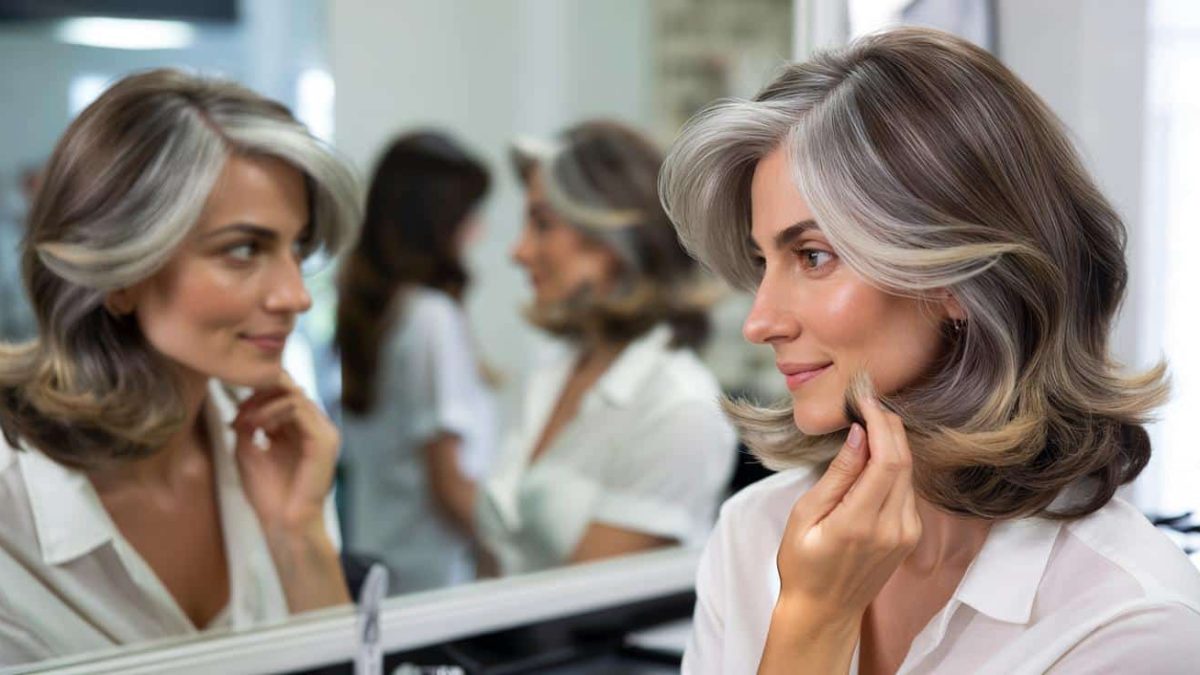
The Shocking Truth About Embracing Your Gray Hair: Long considered a sign of aging to be hidden at all costs, silver strands are now becoming a powerful symbol of confidence and style. Millions of people are ditching the dye and discovering that the “gray transition” is about much more than just a change in color.
While many expect the process to be a struggle, the reality is often much more life-changing than anticipated. From saving thousands of dollars to radically improving hair health, the journey to natural hair is redefining modern beauty standards for every generation.

This shift is not just a passing trend; it is a movement that is challenging the way we view aging and self-worth. If you have been on the fence about letting your roots grow out, the hidden benefits of going gray might finally convince you to make the leap.
The Biological Reality of Going Gray
The transition to gray hair begins when the melanocytes in our hair follicles stop producing pigment. This is a natural biological process that can be triggered by genetics, stress, or simply the passage of time as we get older.
Many people are surprised to learn that gray hair is not actually gray. It is translucent or white, but it appears gray because of the way it contrasts with the remaining dark hairs on your head.

The texture of the hair often changes during this time as well. Because the scalp produces less oil as we age, gray hair can feel coarser or more wiry, requiring a completely different approach to hydration and care.
Why the ‘Transition Phase’ Is the Hardest Part
The most difficult part of the journey is the first six months. Many people feel self-conscious about the “harsh line” that appears between their colored hair and their natural roots as they begin to grow out.
To manage this, many stylists suggest using lowlights or babylights to blend the old color with the new growth. This helps soften the transition and prevents the stark contrast that makes many people reach for the dye box again.

Once you move past the halfway mark, the maintenance becomes significantly easier. The freedom from the “salon chair cycle” every three to four weeks is often the first major win that people report during their journey.
“The psychological shift that occurs when a person stops hiding their natural hair color is profound. It often marks a transition from seeking external approval to embracing internal confidence and authenticity in all areas of life.”
The Financial Impact of Ditching the Dye
Many people do not realize how much money they spend on hair color over a lifetime. Between professional salon visits and high-end at-home kits, the costs add up to a small fortune that could be spent elsewhere.
When you factor in the cost of specialty shampoos for colored hair and frequent root touch-ups, the savings become even more dramatic. Those who embrace the silver often find they have an extra few thousand dollars a year in their budget.
Average Annual Costs: Dyeing vs. Natural
| Expense Category | Dyeing Hair (Annual) | Natural Gray (Annual) |
|---|---|---|
| Salon Visits | $1,200 – $2,500 | $200 – $400 |
| Product Costs | $300 – $600 | $100 – $200 |
| Time Spent (Hours) | 40 – 60 Hours | 5 – 10 Hours |
The Surprising Health Benefits for Your Scalp
Constant exposure to paraphenylenediamine (PPD) and ammonia can take a toll on your scalp health over several decades. Many long-term dyers suffer from hidden irritation, itching, or even hair thinning without realizing the cause.
When you stop using harsh chemicals, the scalp finally has a chance to breathe and recover. Many people report that their hair actually grows back thicker and stronger once the chemical stress is removed from the follicles.
Natural hair also tends to have more volume. Without the heavy coatings of synthetic pigments weighing the strands down, gray hair can look more vibrant and full of life than dyed hair ever did.
Redefining Beauty Standards in Your 40s and 50s
Social media has played a massive role in normalizing silver hair. Young influencers are now paying high prices to have “silver-fox” hair, which has paradoxically made older women and men feel more fashionable for having it naturally.
The “silver sisterhood” and similar communities have created a space where people celebrate their progress. This collective support has turned a once-dreaded life stage into a badge of honor and a statement of personal power.
By refusing to hide their age, individuals are pushing back against the idea that youth is the only form of beauty. This creates a ripple effect, encouraging younger generations to fear the aging process much less than their parents did.
“Modern aesthetics are shifting away from perfection and toward character. Natural silver tones offer a unique palette that highlights skin tones and eye colors in ways that flat, artificial dyes simply cannot replicate.”
How to Keep Silver Hair Looking Vibrant
Gray hair can sometimes turn yellowish due to environmental pollutants, heat styling, or minerals in the water. This is why using a purple shampoo once a week is essential for maintaining a bright, crisp look.
The violet pigments in these shampoos neutralize the brassy tones, keeping the silver looking clean and intentional. It is also important to use heat protectant sprays, as gray hair is more susceptible to scorching from flat irons.
Deep conditioning treatments are also more important than ever. Since natural gray hair lacks the protective oils it once had, regular moisture masks help keep the hair soft and prevent it from looking frizzy or dull.
The Invisible Confidence Boost
There is a specific kind of freedom that comes from knowing you don’t have to hide anything. Many people report that after the initial fear fades, they feel a massive surge in self-esteem and personal authority.
This “shocking truth” is that going gray isn’t about giving up; it is about leveling up. It is a declaration that you are comfortable in your skin and that your value is not tied to a bottle of hair color.
As more people make this choice, the stigma continues to dissolve. What was once seen as “letting yourself go” is now widely recognized as “letting yourself grow,” leading to a more authentic and stress-free lifestyle.
FAQs – Embracing Your Gray Hair
Will gray hair make me look older?
Not necessarily. While gray is associated with age, a modern haircut and healthy shine can actually make you look more vibrant and stylish than an artificial, flat hair color that doesn’t match your skin tone.
How long does the transition period usually last?
The transition depends on your hair length. For short hair, it may take six months to a year. For longer hair, it can take two to three years to fully grow out the old color without a big chop.
Is gray hair more difficult to manage than colored hair?
It isn’t more difficult, but it is different. You will need more moisture and specific products like purple shampoo to prevent yellowing, but you will save hours of time previously spent on dyeing.
Can I still use heat tools on my gray hair?
Yes, but you must be careful. Gray hair can yellow or burn more easily than pigmented hair, so always use a low heat setting and a high-quality heat protectant spray.
Does everyone get gray hair eventually?
Most people will experience some graying due to the natural slowing of melanin production, though the timing and extent are largely determined by your individual genetic makeup.
Should I cut my hair short to go gray faster?
Many people find that a shorter style, like a pixie cut, makes the transition much faster and easier. However, you can also use blending techniques to keep your length while you grow out the silver.