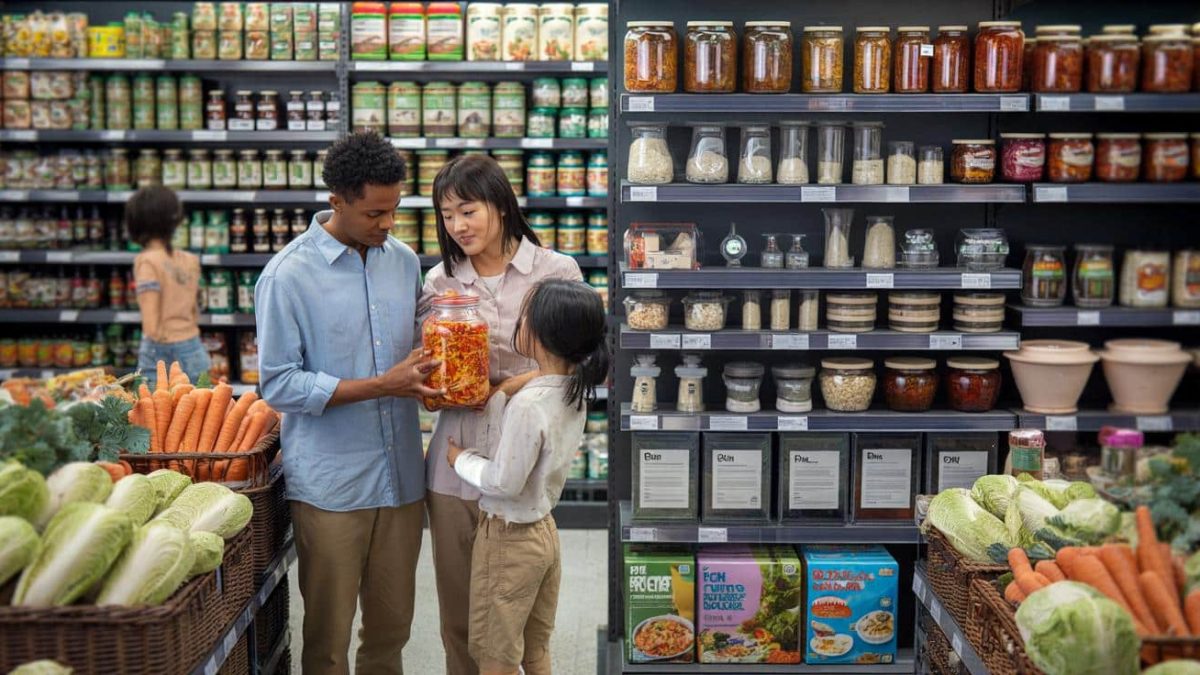
The Surprising Rise of Home Fermentation: Upending the Grocery Industry: For decades, the supermarket was the final destination for every jar of pickles and tub of yogurt. Families relied on mass-produced goods that sat on shelves for months, preserved by pasteurization and high sodium levels.
Today, a quiet revolution is bubbling in kitchens across the globe as more people turn back to ancient traditions. This surge in home fermentation is not just a hobby; it is a movement that is fundamentally changing how people spend their money at the store.

From tangy sourdough starters to fizzy kombucha, “living” foods are taking over countertops. As consumers prioritize gut health and sustainability, the grocery industry is facing a massive shift in demand that it never saw coming.
The Invisible Workforce in Your Kitchen
The shift toward fermentation represents a return to artisanal methods that were common before the Industrial Revolution. Instead of buying a bottle of vinegar-soaked cucumbers, people are now harnessing the power of beneficial bacteria to create their own probiotic-rich snacks.
This trend is driven by a desire for transparency. When you ferment at home, you control the salt, the sugar, and the quality of the produce, removing the need for the artificial stabilizers found in commercial brands.

It is no longer a niche activity for health food enthusiasts. The modern kitchen has become a miniature science lab where Lacto-bacillus and wild yeasts do the heavy lifting, transforming simple vegetables into nutritional powerhouses.
Why the Grocery Industry is Feeling the Heat
Large-scale food manufacturers are starting to notice a dip in certain categories. Pickles, sauerkraut, and even some dairy products are seeing a slowdown as DIY enthusiasts realize they can make superior versions for a fraction of the cost.
For years, the industry relied on the “convenience factor” to sell fermented products. However, the rise of easy-to-use fermentation kits and airlock lids has removed the barrier to entry for the average person, making the process almost foolproof.

As more households produce their own probiotics, the traditional supply chain is being bypassed. This decentralized food production is creating a new type of consumer who views the grocery store as a source of raw ingredients rather than finished goods.
“The modern consumer is no longer satisfied with a product that has been sterilized for shelf stability. They are looking for ‘living’ foods that provide functional health benefits, even if it means waiting seven days for a jar of cabbage to ferment.”
The Economic Impact of the Fermentation Boom
The financial side of this trend is significant. While a jar of organic, unpasteurized kimchi might cost ten dollars at a high-end grocer, a head of cabbage and some spices cost much less. Over a year, a dedicated fermenter can save hundreds of dollars.
Retailers are forced to adapt by stocking more “raw materials” like bulk sea salt, organic glass jars, and specialized cultures. The profit margins on these items are often lower than those on branded, processed food jars, impacting the overall bottom line.
| Category | Growth in DIY Interest | Retail Impact |
|---|---|---|
| Kombucha | High | Decreased bottled sales in local markets |
| Sourdough | Very High | Rise in specialty flour demand |
| Vegetables | Moderate | Lower sales of canned/pickled items |
| Yogurt/Kefir | Steady | Increased sales of raw dairy |
Gut Health as a Social Catalyst
The primary driver behind this movement is the increasing awareness of the human microbiome. People are learning that a healthy gut is linked to everything from immune function to mental clarity and mood regulation.
Commercial fermentation often involves heat treatment to ensure safety and longevity, but this process kills the very microbes that consumers are looking for. By fermenting at home, people ensure they are consuming active cultures that are still thriving.
Social media has also played a massive role. Photos of vibrant, colorful jars of fermented radishes and bubbling ginger beer have turned food preservation into a visual art form, inspiring younger generations to take up the craft.
The Sustainability Factor
Home fermentation is inherently eco-friendly. It significantly reduces the need for plastic packaging and glass jars that often end up in landfills, even if they are technically recyclable.
By preserving seasonal gluts of vegetables, home cooks are also reducing food waste. Instead of letting a surplus of summer squash or carrots rot in the crisper drawer, they are being transformed into shelf-stable, nutrient-dense snacks.
This focus on local and seasonal food further disconnects the consumer from the globalized grocery network. Instead of buying a jar of peppers shipped from across the ocean, they are fermenting peppers grown in their own backyard or bought at a local farm.
“We are witnessing a shift from passive consumption to active participation in the food cycle. When people start fermenting, they become more aware of where their food comes from and how it is preserved.”
Challenges for Big Food Brands
To compete with the home fermenter, major brands are trying to launch “artisanal” or “raw” product lines. However, these labels often come with a premium price tag that makes home production even more attractive to the budget-conscious shopper.
The logistics of selling live, unpasteurized products are difficult. These items must be refrigerated throughout the entire shipping process, and they have a shorter shelf life than their sterilized counterparts. This makes them expensive for retailers to manage.
Furthermore, the “one flavor fits all” approach of big brands cannot compete with the infinite variety of a home kitchen. A home fermenter can add turmeric, garlic, or habanero to their liking, creating a personalized flavor profile that no factory can match.
The Role of Technology and Education
The internet has been the greatest ally of the home fermentation movement. Access to free tutorials and community forums allows beginners to troubleshoot their ferments and learn the science of pH levels and salt ratios.
We are also seeing an influx of smart kitchen appliances designed specifically for fermentation. These devices maintain the perfect temperature for yogurt or sourdough, making it even easier for busy professionals to keep up with their healthy habits.
As education spreads, the fear of “spoiled” food is being replaced by an understanding of safe preservation. People are learning to trust their senses—smell, sight, and taste—rather than relying solely on “best by” dates printed by a manufacturer.
“The democratization of food science is the biggest threat to the traditional grocery model. When the average person understands how to preserve food safely, the power shifts back to the home.”
What the Future Holds for Our Pantries
The grocery store of the future will likely look very different. We may see less space dedicated to pre-packaged jars and more space for the tools and ingredients needed for home production and preservation.
While home fermentation may never fully replace the convenience of the grocery store, it has certainly ended the monopoly that big brands once held over fermented foods. The “culture” has changed, both in the kitchen and in the consumer mindset.
As we move forward, the focus will remain on health, flavor, and self-sufficiency. The jar of bubbles on the counter is a sign that people are ready to take control of their diets, one batch of sauerkraut at a time. This trend is not just a passing fad but a systemic shift in how we think about what we eat.
FAQs – The Surprising Rise of Home Fermentation
Is home fermentation safe for beginners?
Yes, as long as you follow basic hygiene and use the correct salt-to-water ratios. Most fermented vegetables use a process called lacto-fermentation, which creates an acidic environment where harmful bacteria cannot survive.
Do I need expensive equipment to start fermenting?
Not at all. While you can buy specialized weights and airlock lids, you can also start with simple glass jars, salt, and fresh vegetables. The most important “equipment” is time and a bit of patience.
How do fermented foods help your health?
Fermented foods are rich in probiotics, which are beneficial bacteria that support your digestive system. They can improve nutrient absorption, boost your immune system, and may even have a positive effect on your mental health.
How long does it take for something to ferment?
It depends on the temperature and the food. Some things, like kefir, can be ready in 24 hours. Vegetables like sauerkraut typically take anywhere from one to four weeks to reach their peak flavor and probiotic content.
Can any vegetable be fermented at home?
Almost any vegetable can be fermented, but some work better than others. Cabbage, carrots, cucumbers, radishes, and peppers are the most popular choices because they maintain a good texture throughout the process.
Does fermentation kill all the vitamins in food?
Actually, fermentation can increase the nutritional value of food. It can synthesize new vitamins, such as B-vitamins, and make the existing minerals more “bioavailable,” meaning your body can absorb them more easily.
Why is home-made fermentation better than store-bought?
Many store-bought versions are pasteurized, which kills the beneficial bacteria. Home-made ferments are “alive,” contain more diverse probiotic strains, and allow you to avoid preservatives and excessive sugars.